



Việt Nam’s promotion by FTSE Russell to secondary emerging-market status in September marks another milestone, opening opportunities to attract international institutional investment and funds tracking global indices.
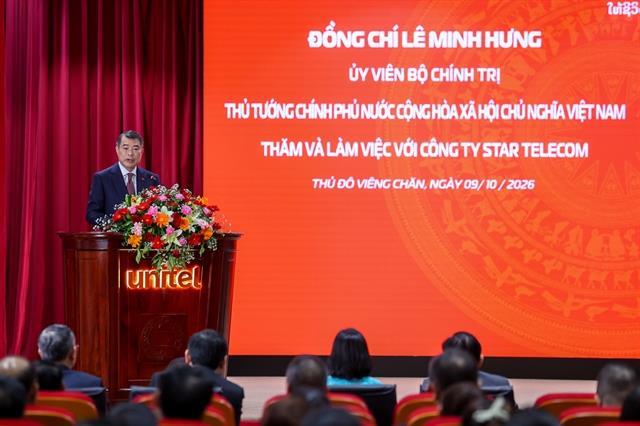
After 17 years in Laos, Unitel has become the country’s largest telecommunications operator and one of its largest budget contributors, earning recognition from the two countries as a model of economic cooperation.
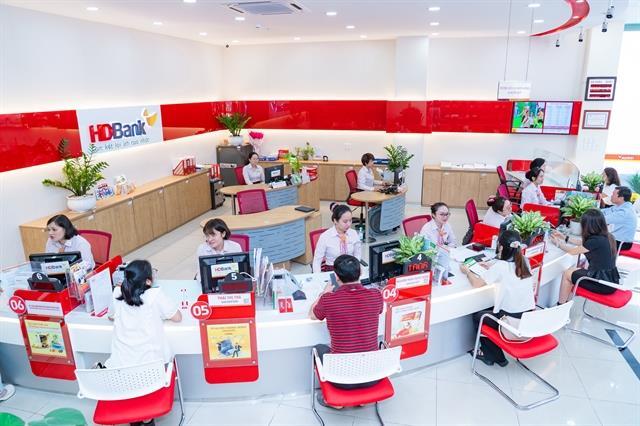
Ho Chi Minh City Development Joint Stock Commercial Bank (HDBank) has been ranked second in S&P Global Market Intelligence’s 2025 performance rankings of the 50 largest publicly listed banks in Southeast Asia, and holds the top position among the Vietnamese...
Việt Nam is a dynamic market with considerable potential to continue attracting interest from US investors as well as global investors, said Nasdaq Vice Chairman Robert H. McCooey Jr.
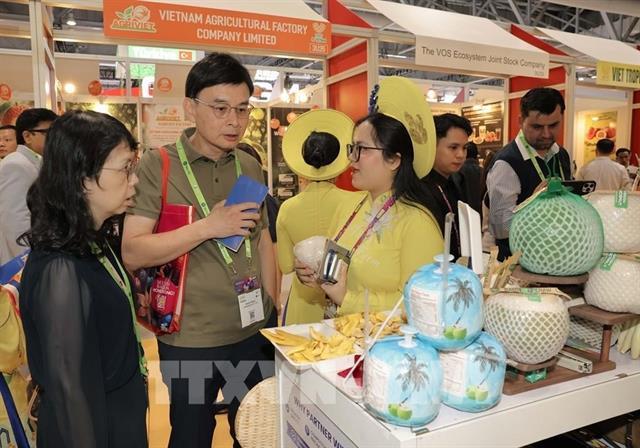
Việt Nam should develop a strong domestic business force capable of absorbing technology, standards, management practices and market access from major corporations.
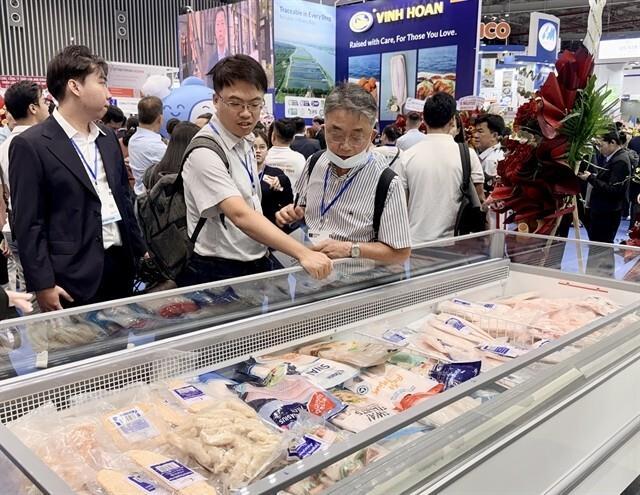
Global demand for aquatic products for food and non-food uses is projected to grow by 11 per cent over the next decade, driven largely by expanding aquaculture and rising consumption in developing markets, according to the Food and Agriculture Organisation...
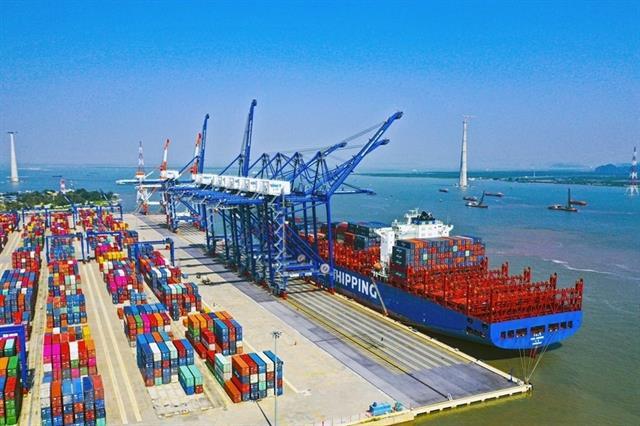
Global supply chains are being redrawn, creating a window of opportunity for Việt Nam to deepen its role in regional trade — provided the country can move faster on infrastructure, digitalisation and green logistics.
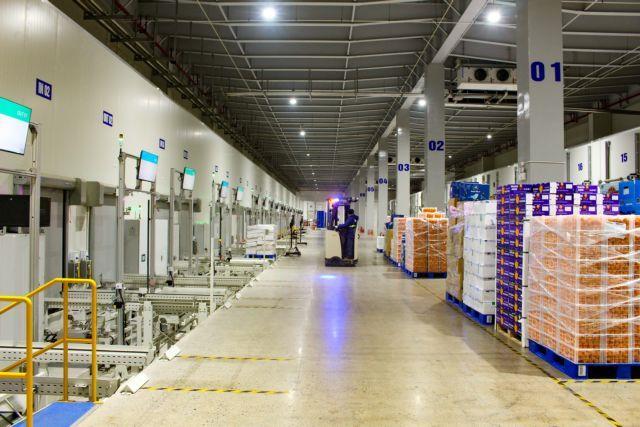
Logistics has become a decisive factor in supply chain competitiveness. The country''s total import-export turnover is projected to reach approximately $1 trillion for the full year of 2026.
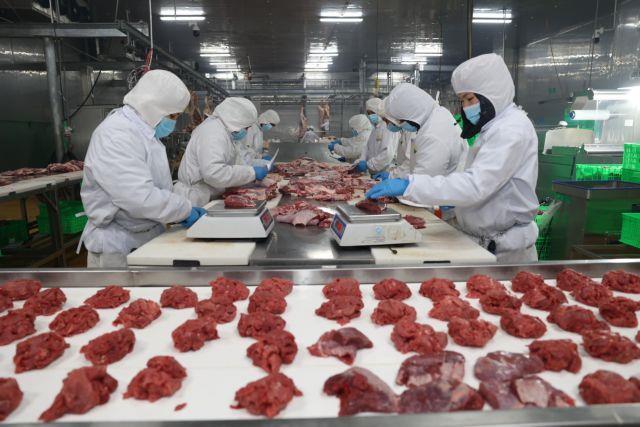
Major importers including China, the EU, Japan and the US are imposing stricter rules on traceability, carbon emissions, environmental protection and food safety.
The reform strategy, approved under Decision 1413/QĐ-TTg, envisions a more balanced financial market structure with stronger links between its banking, capital and insurance sectors, in line with the country’s target of high growth by 2045.
The story of Việt Nam’s economy in 2026 is not just one of faster GDP growth it is about higher productivity, industrial upgrading, stronger capital formation, and a more prominent role in Asia’s strategic economic landscape.
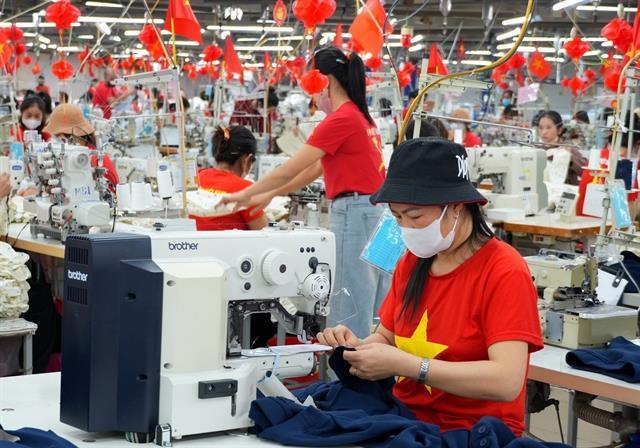
The tariff decision should be seen as a prompt for Vietnamese businesses to reposition their competitiveness, strengthen their supply chains and move higher up global value chains.